Place › Hamburg /DE/
Date › 2016
Authors › R. Keuss, O. Nováček, J. Becker
University › HCU Hamburg
Type › Research project
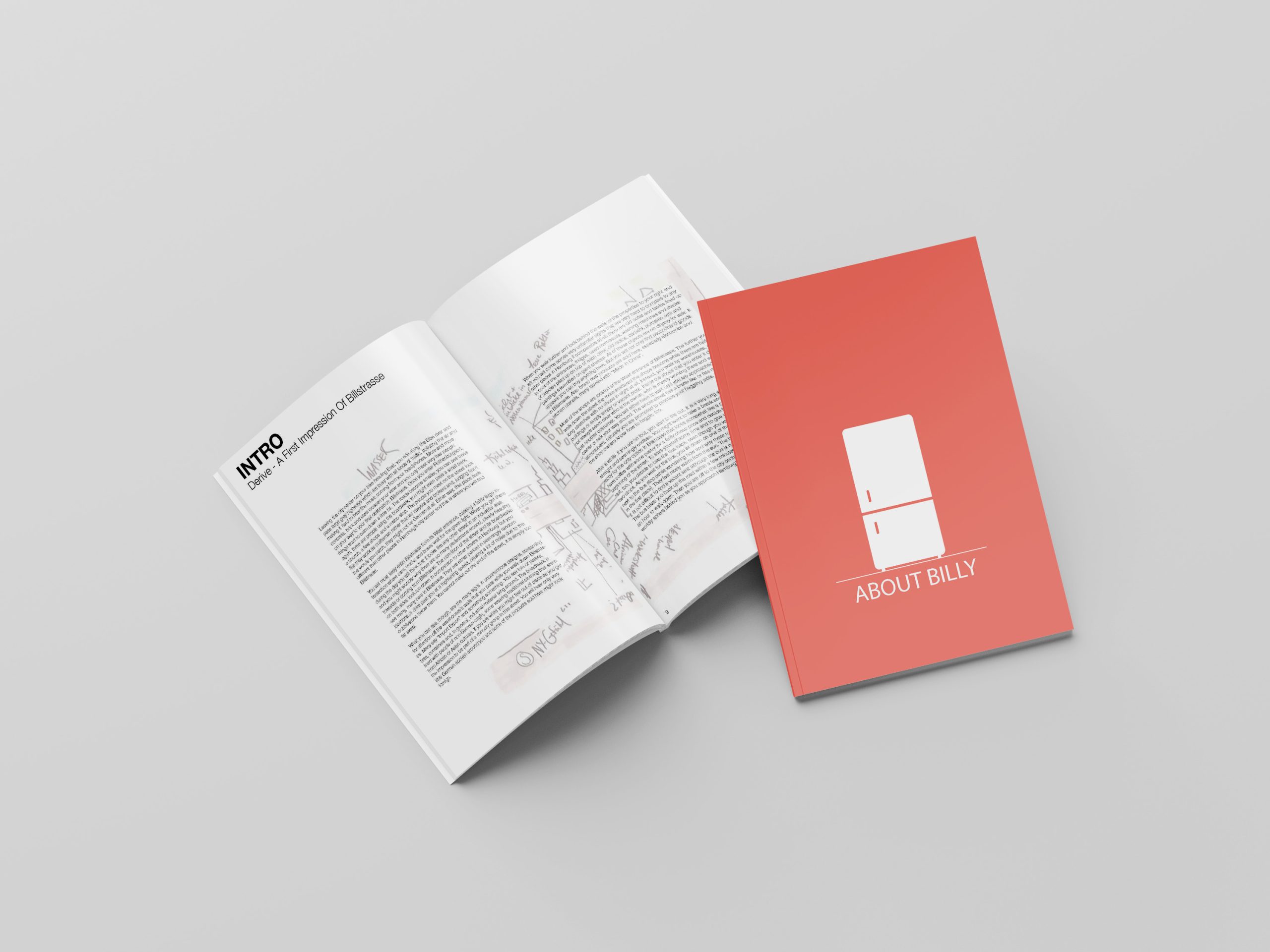
About Billy
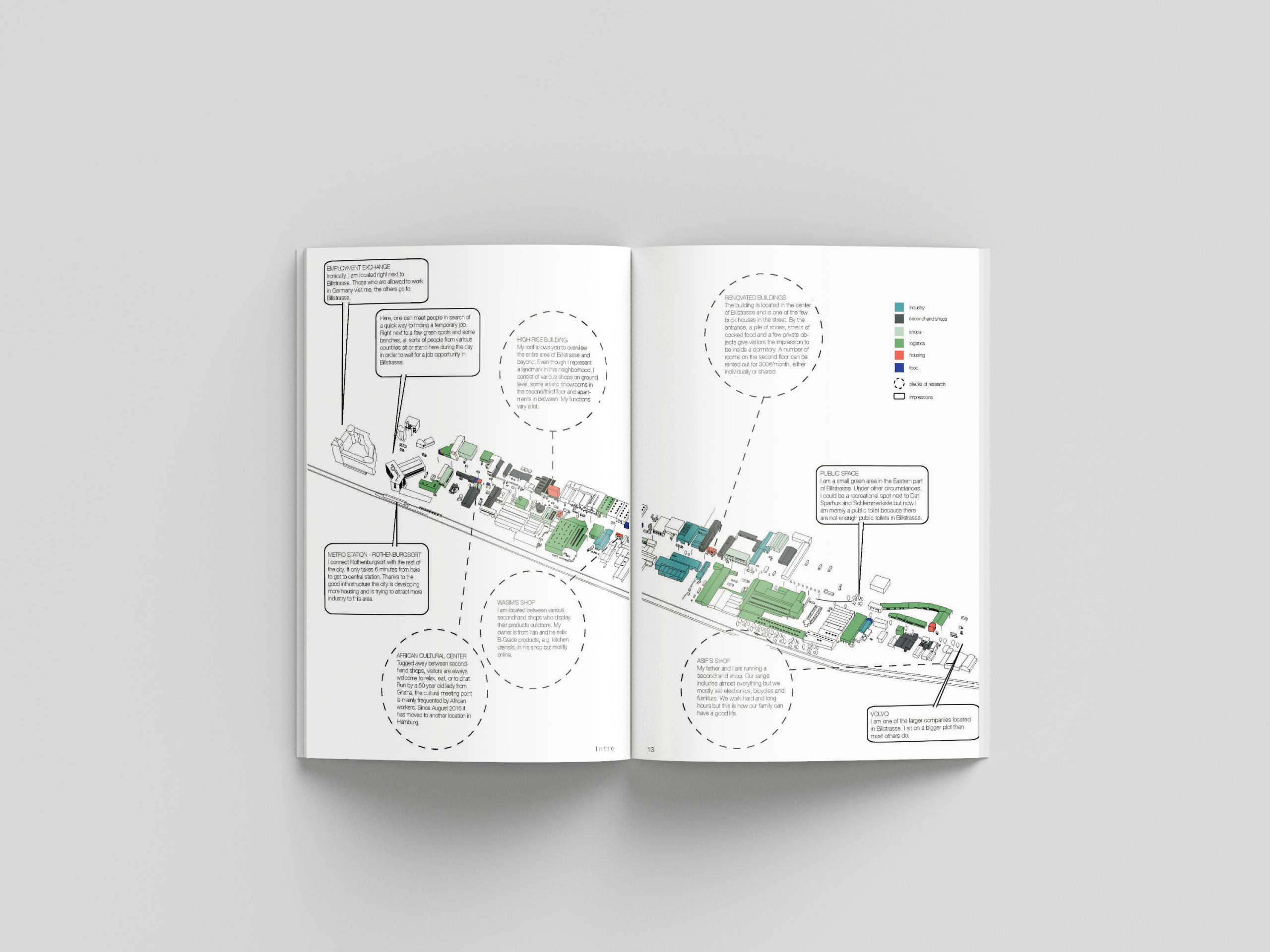
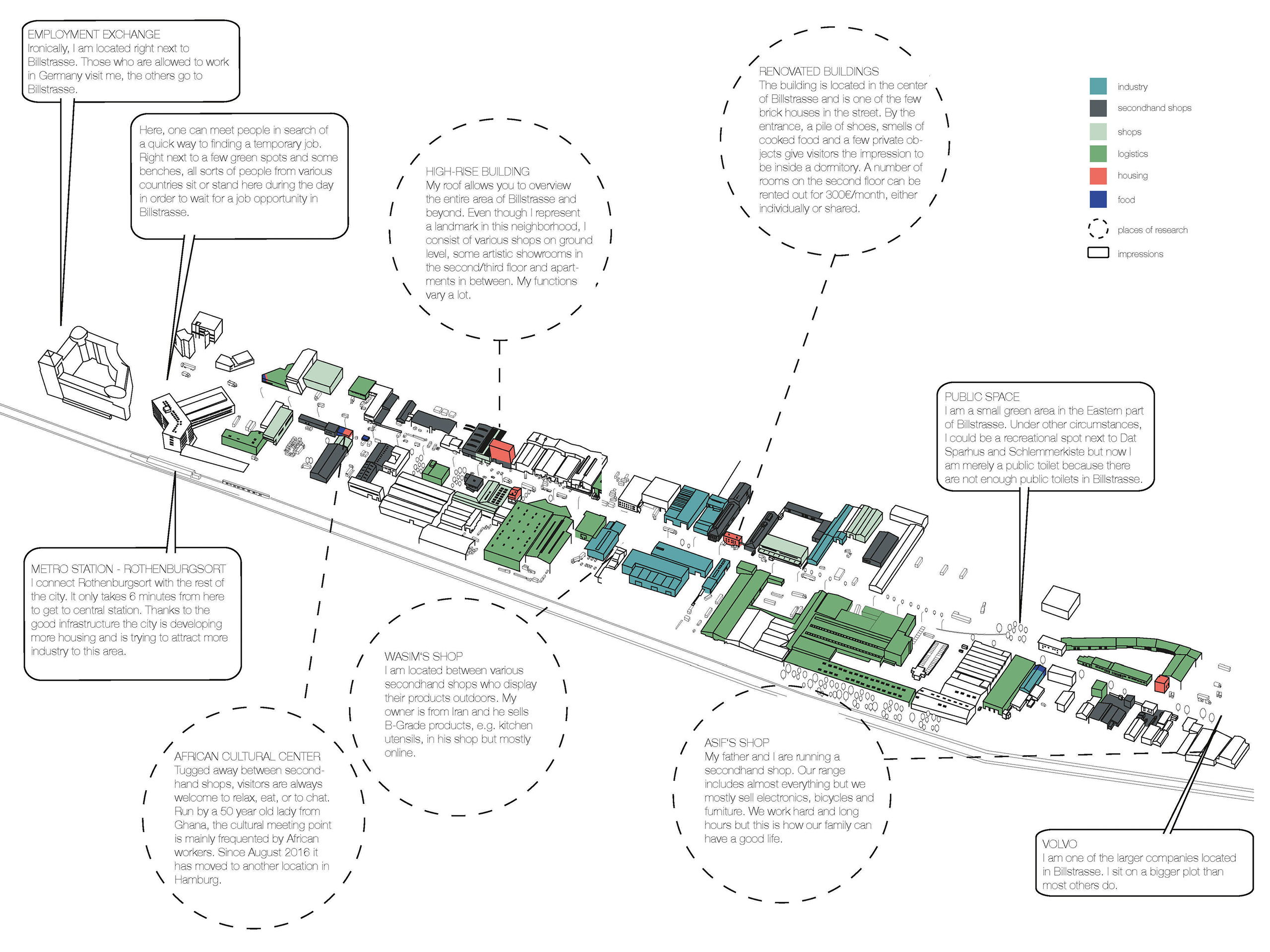
Most large cities have districts where foreigners or migrants make up a significant share of the population. These places are often perceived negatively, even though we know very little about the everyday practices of their inhabitants. Such prejudices can lead to poor political and urban planning decisions. An example is Billstraße in Hamburg – a street which, despite its anonymity, functions as a space of inclusion and empowerment for migrants. Alongside warehouses, bazaars, and informal economies, an environment emerges that allows newcomers to actively integrate into society and achieve a dignified life.
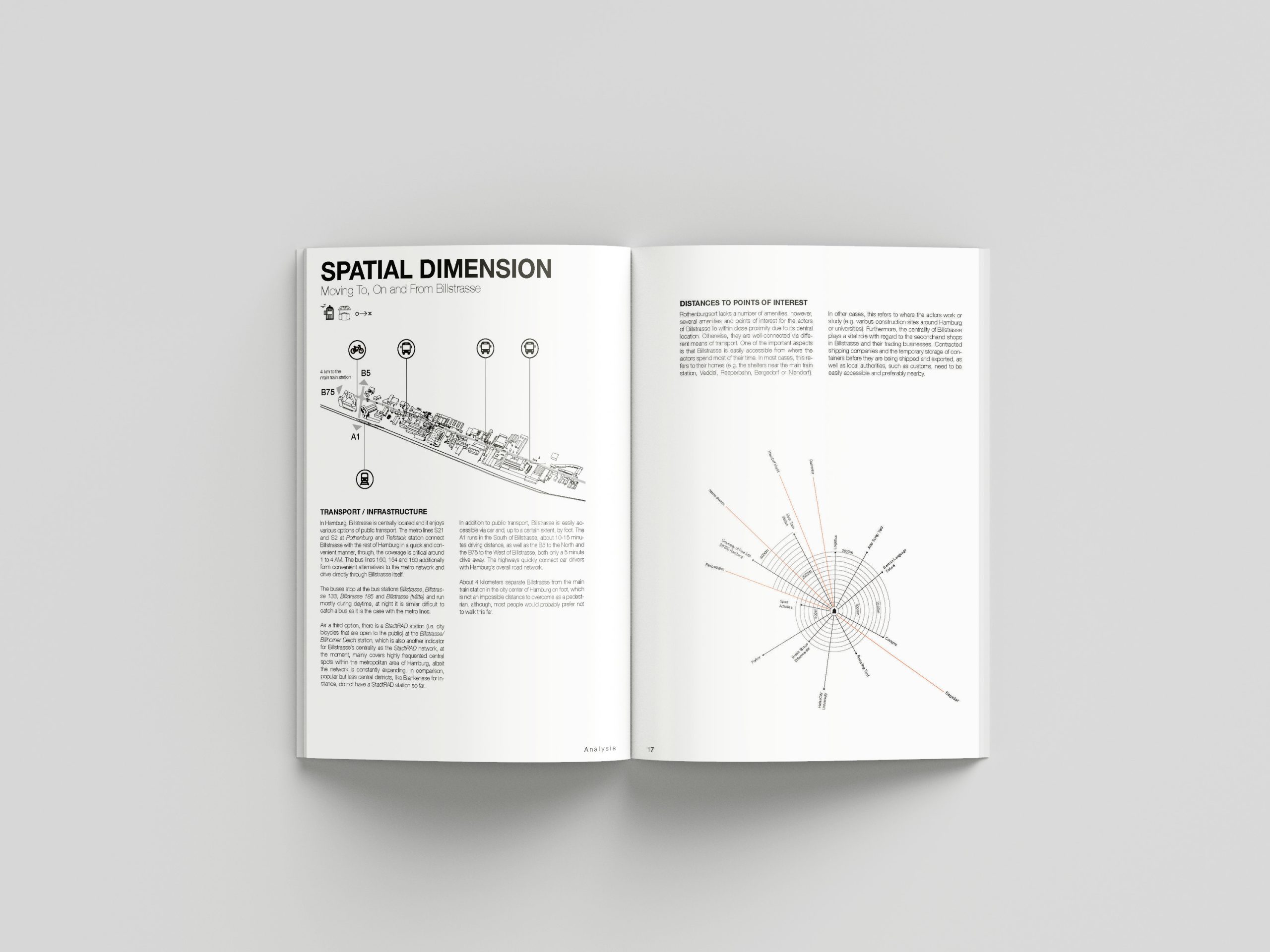
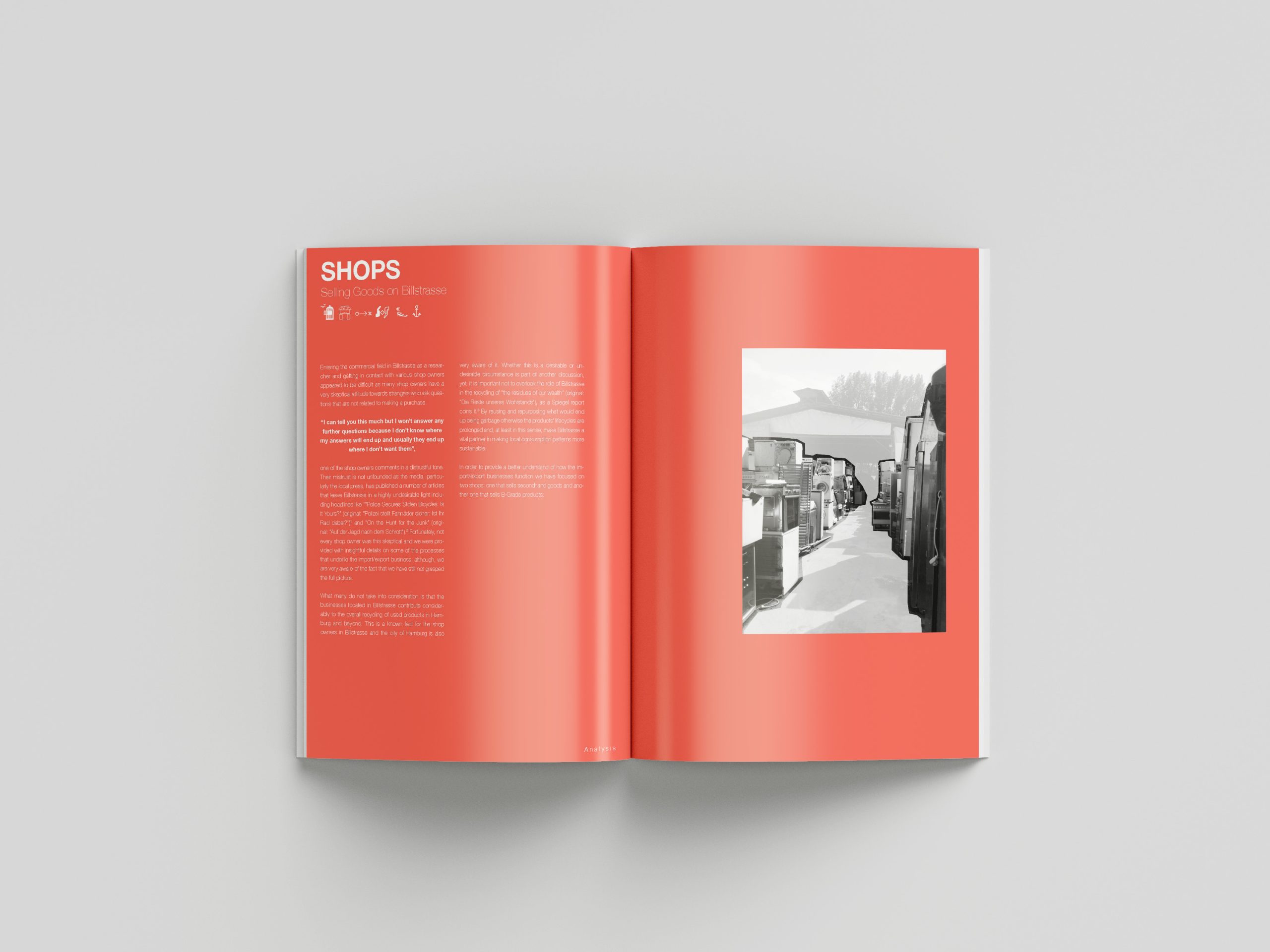
Research based on field observations, interviews, and analysis has shown that informal practices on Billstraße are not only a source of income but also a means of empowerment and social mobility. This bottom-up process provides an alternative to official integration programs and can be seen as a “recipe for arrival” – a state in which a migrant feels accepted and equal. Billstraße thus offers a model of how European cities can create or support spaces that empower migrants. Its experience may serve as an inspiration for other urban environments facing increasing migration waves and opens up a broader discussion about the role of “arrival spaces” in contemporary urban life.