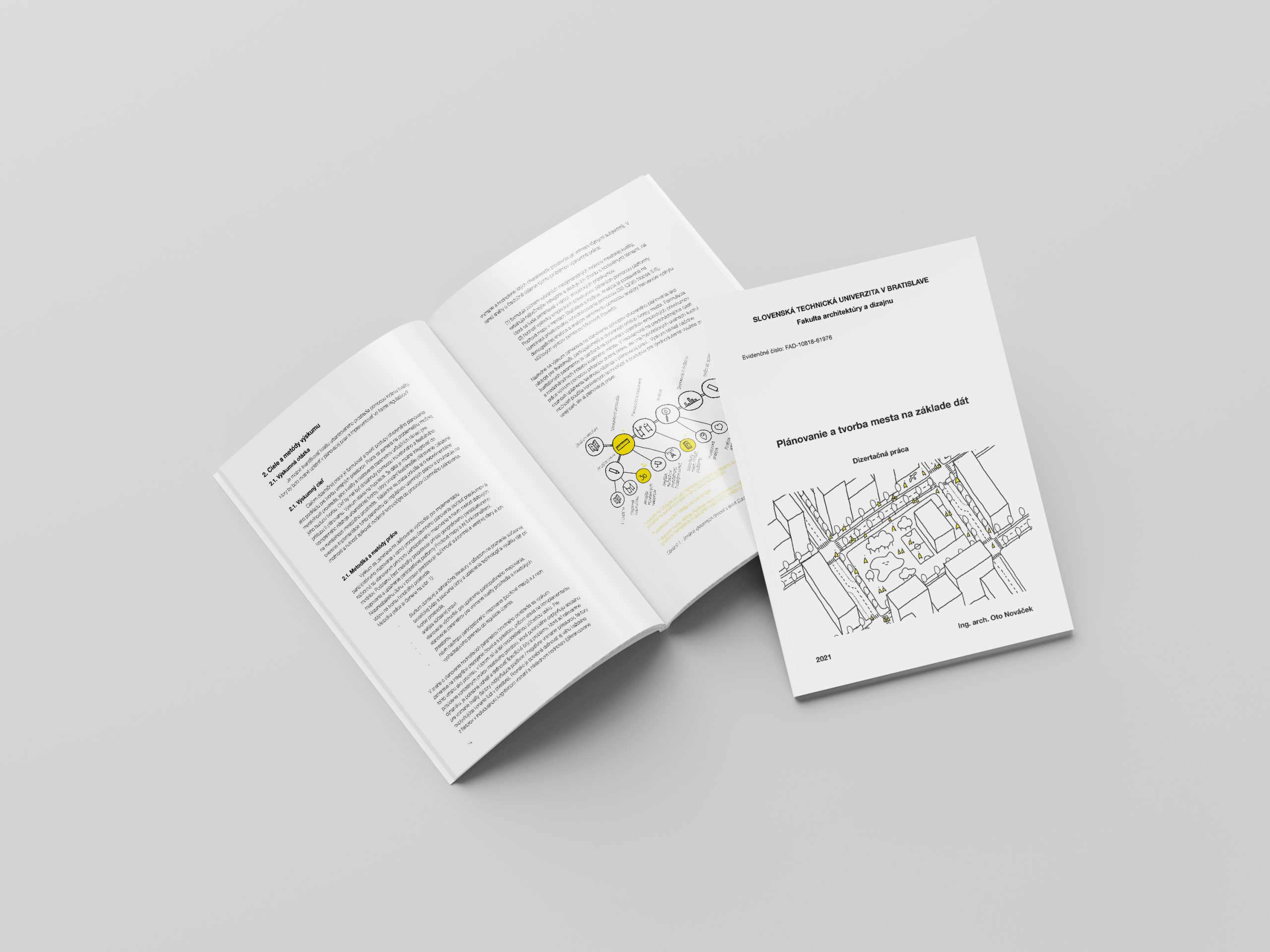
Date › 2021
Tutor › Ľ. Vitková / J. R. Noenning
Author › O. Nováček
University › STU Bratislava / HCU Hamburg
Type › Disertation thesis
Data-Driven Urban Planning and Design
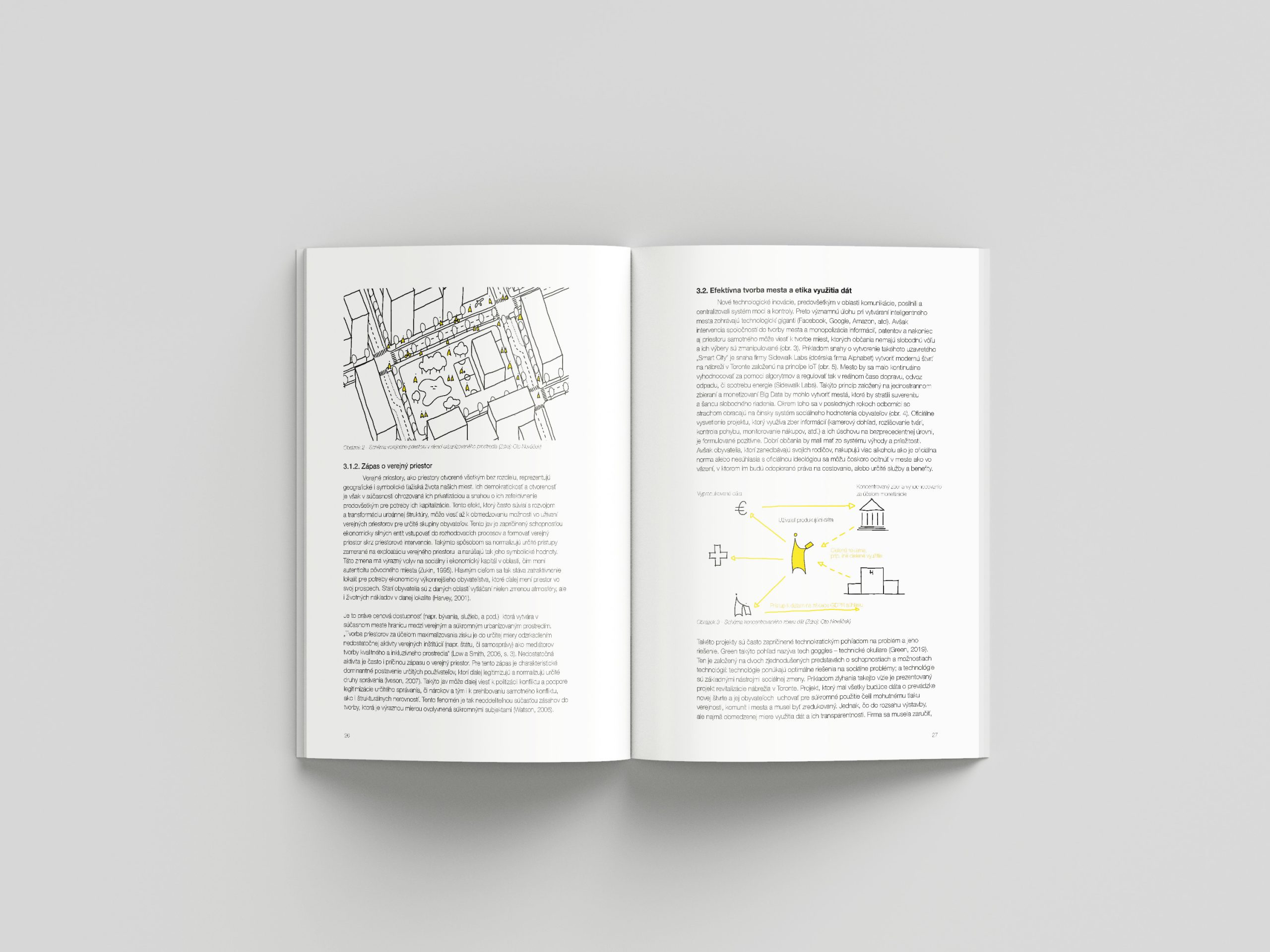
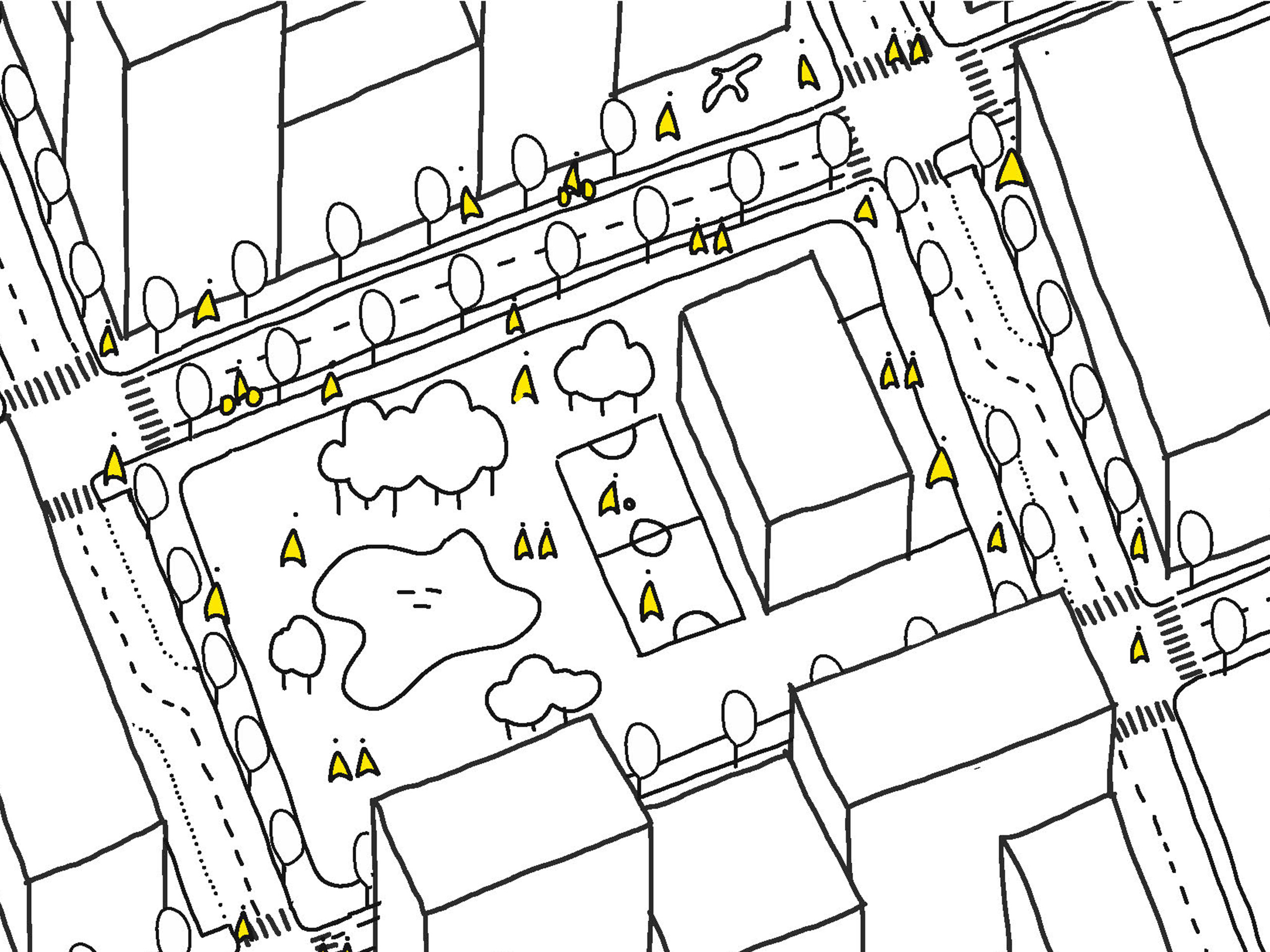
At the beginning of the 21st century, humanity entered a new stage of inhabiting the planet and became a predominantly urban species. Rapid population growth, demographic shifts, high mobility, and the migration of people, ideas, and goods are creating unprecedented pressure on current planning practices. Digital technologies significantly accelerate these changes, yet urban planning has adopted only a low level of adaptability to them. The main problem remains rigidity and static approaches, which open up space for speculation. One of the ways to increase the flexibility of planning is the use of data as the basis for developing new tools. Theories of modern approaches should take current trends into account while also drawing from empirical experience.
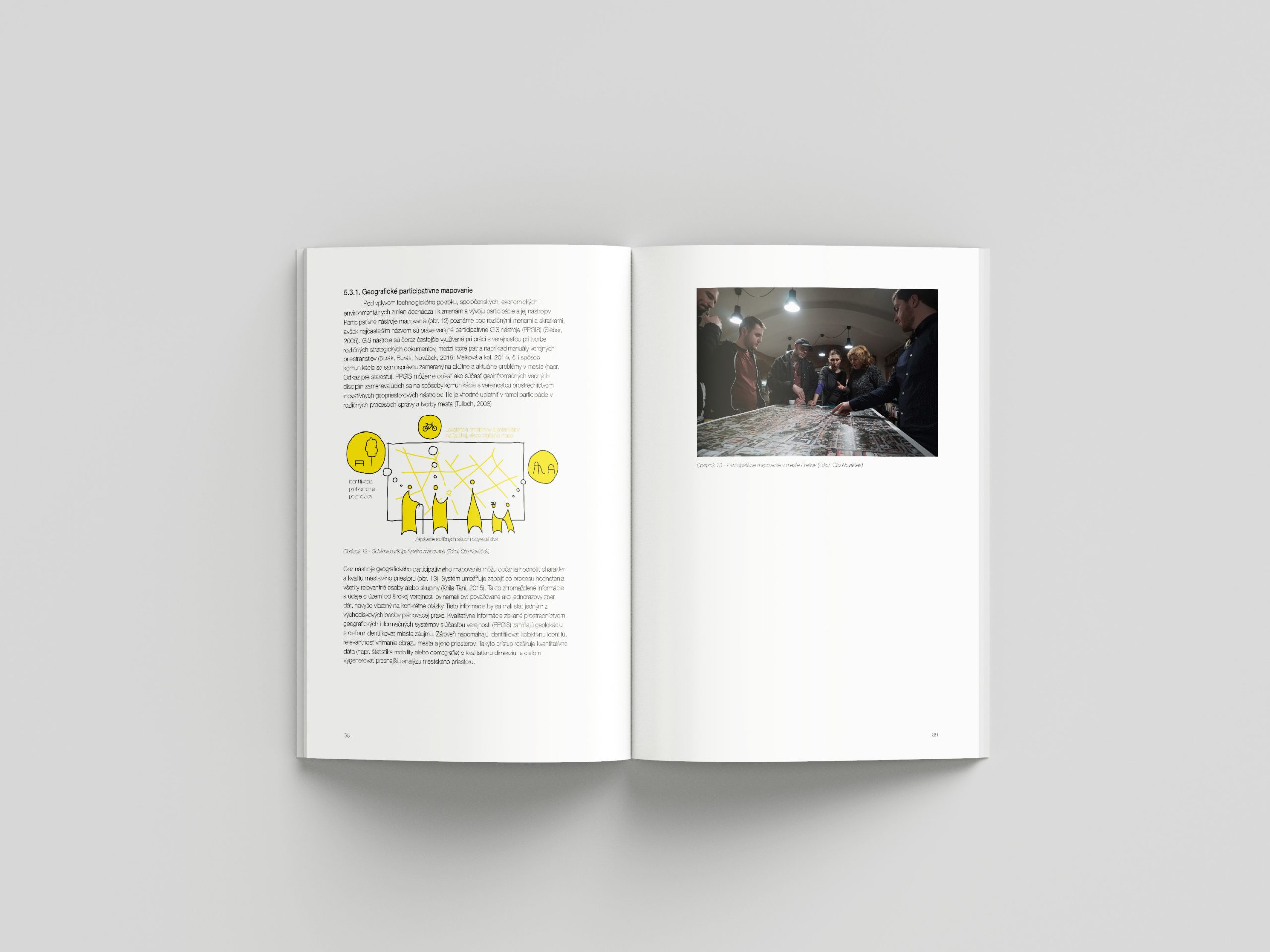
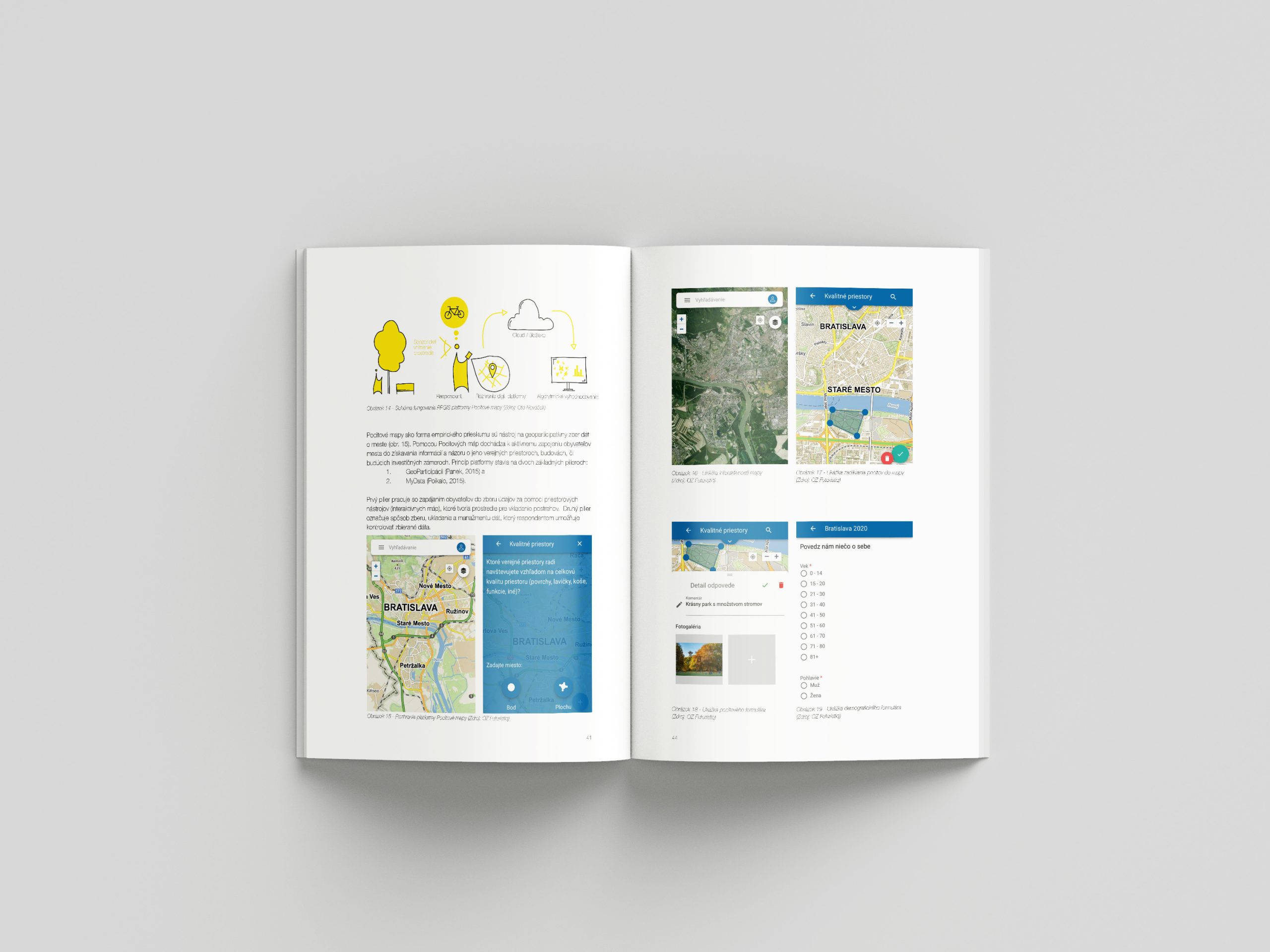
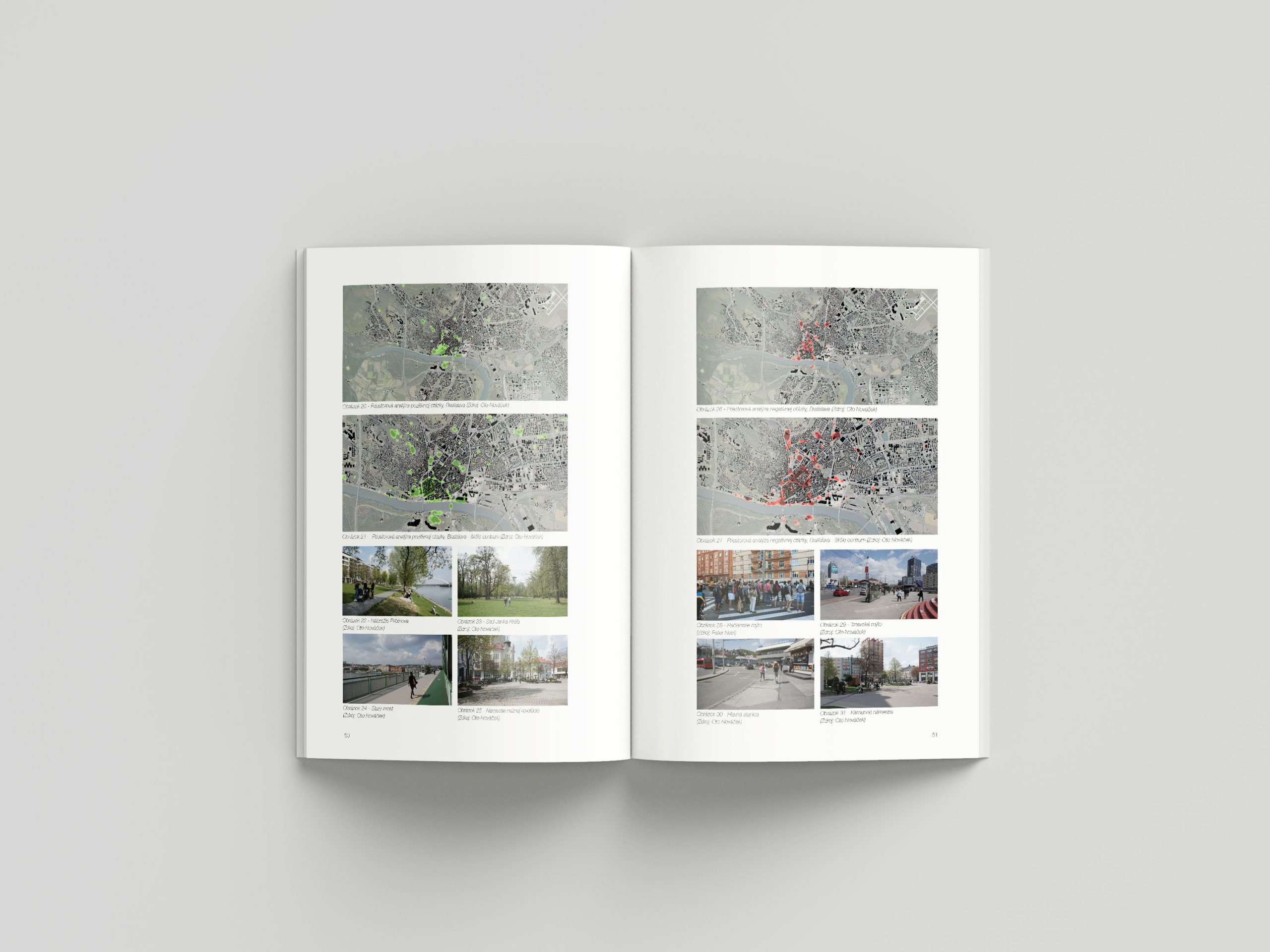
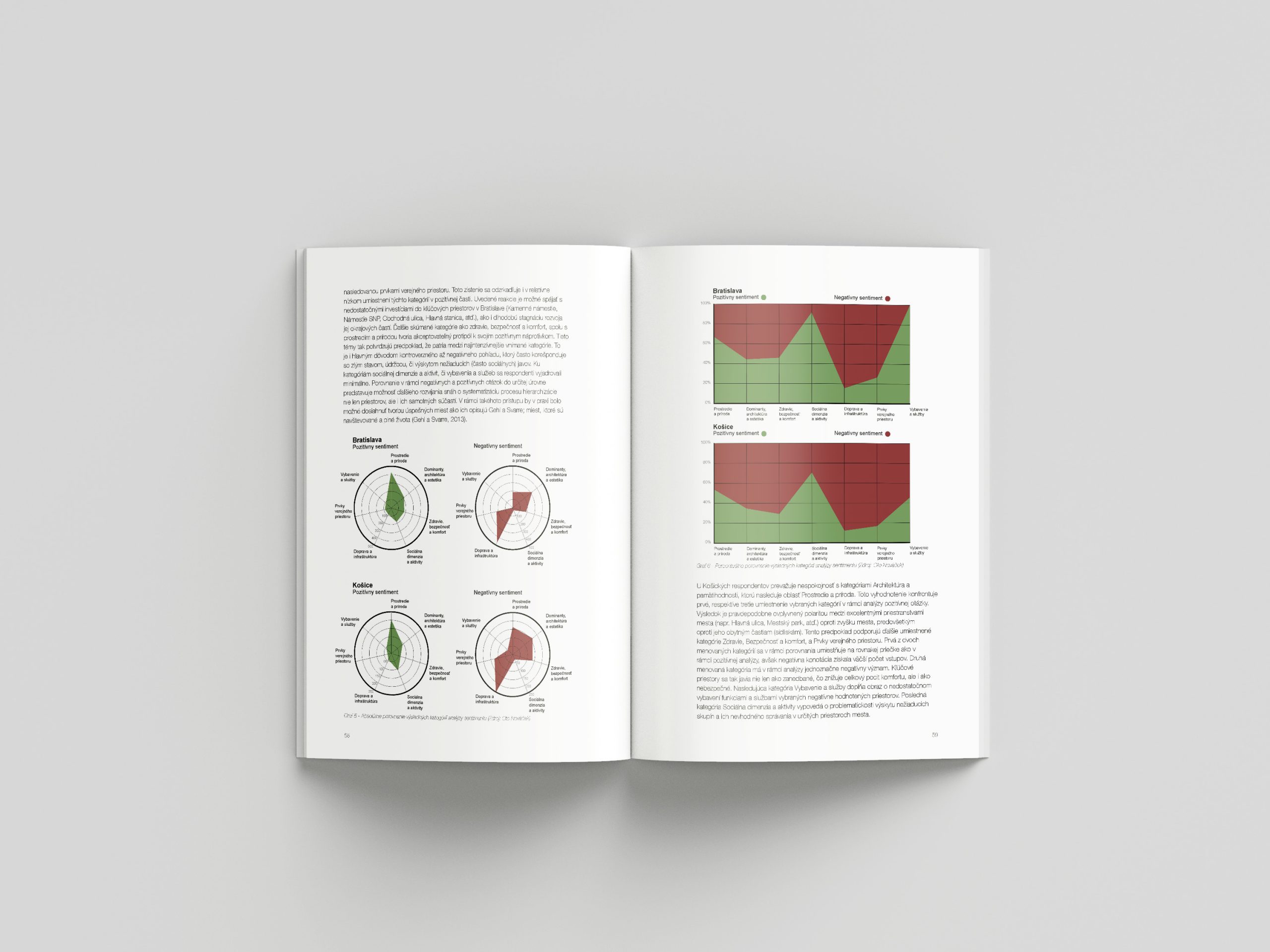
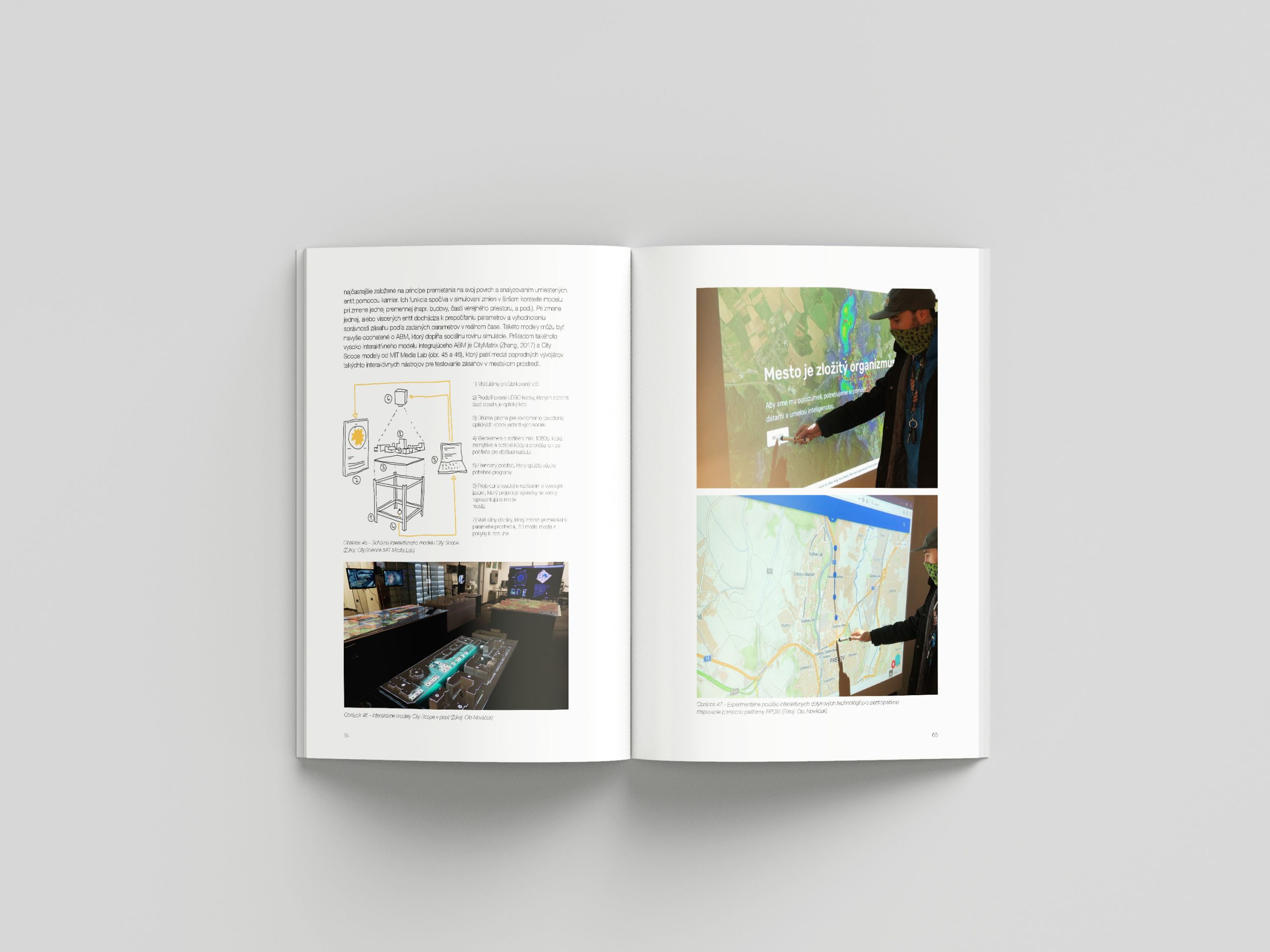
This work focuses on the role of the private and public sectors in urban development and data management. It analyzes the evolution of planning in times of accelerated change and the possibilities of mapping human activity at different scales. Particular attention is paid to participatory forms of mapping – especially Public Participation Geographic Information Systems (PPGIS) and the Perception Mapping tool. These make it possible to create a digital index of environmental user quality and provide frameworks for open planning. Finally, the work compares theoretical knowledge with empirical outputs from Perception Mapping, identifying both the problems and the potentials of applying these approaches in planning practice.