Place › Bratislava /SK/
Date › 2022
Client › The City of Bratislava
Processor › Metropolitný inštitút Bratislavy
Authors › M. Daňová, J. Urban, S.Achberger, M. Marcinov, O.Nováček, K. Olesová, P. Šingerová, R. Žitňanský
Type › Urban strategy
Status › Approved
Principles and Standards of Sidewalk surfaces
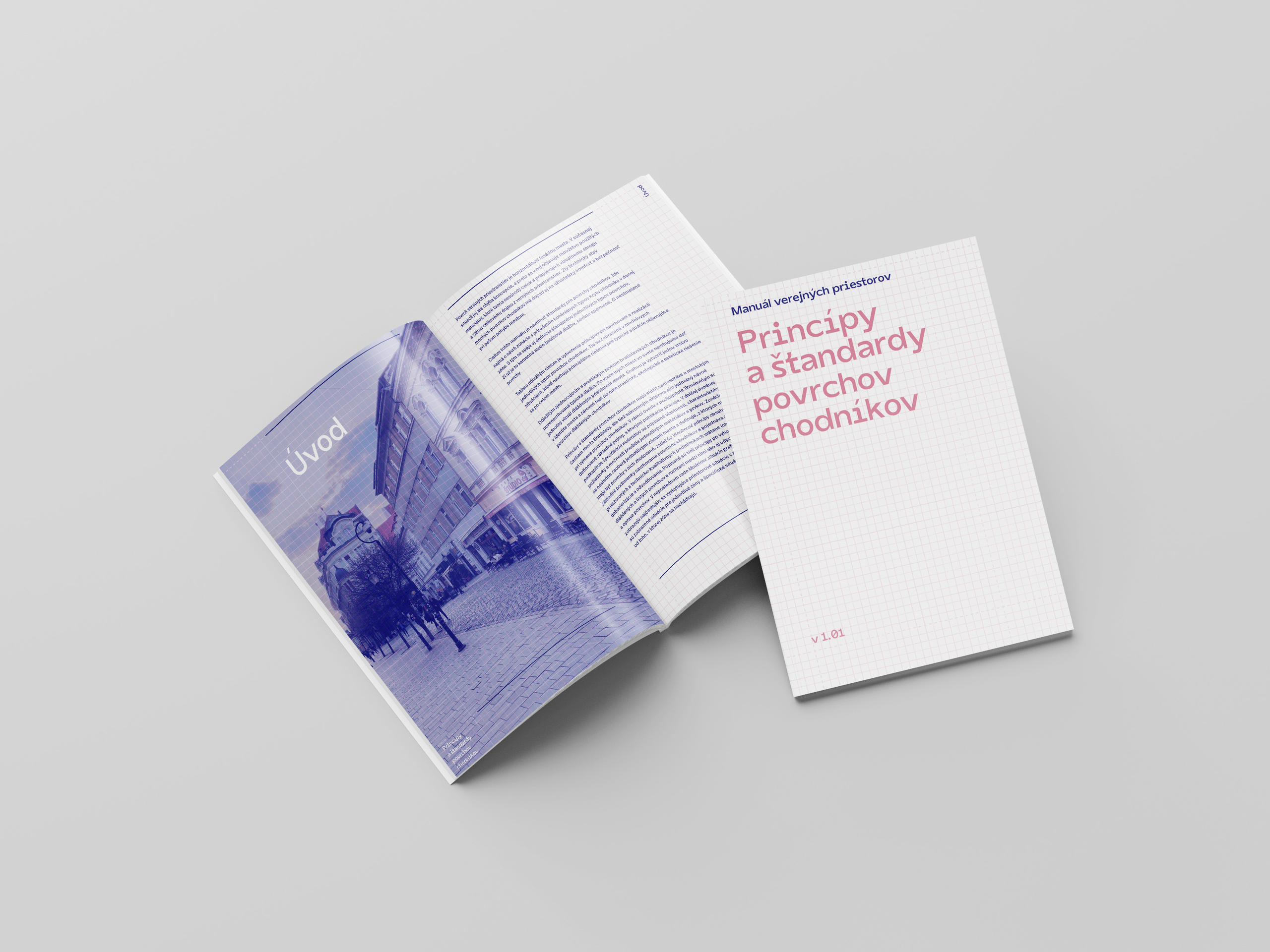
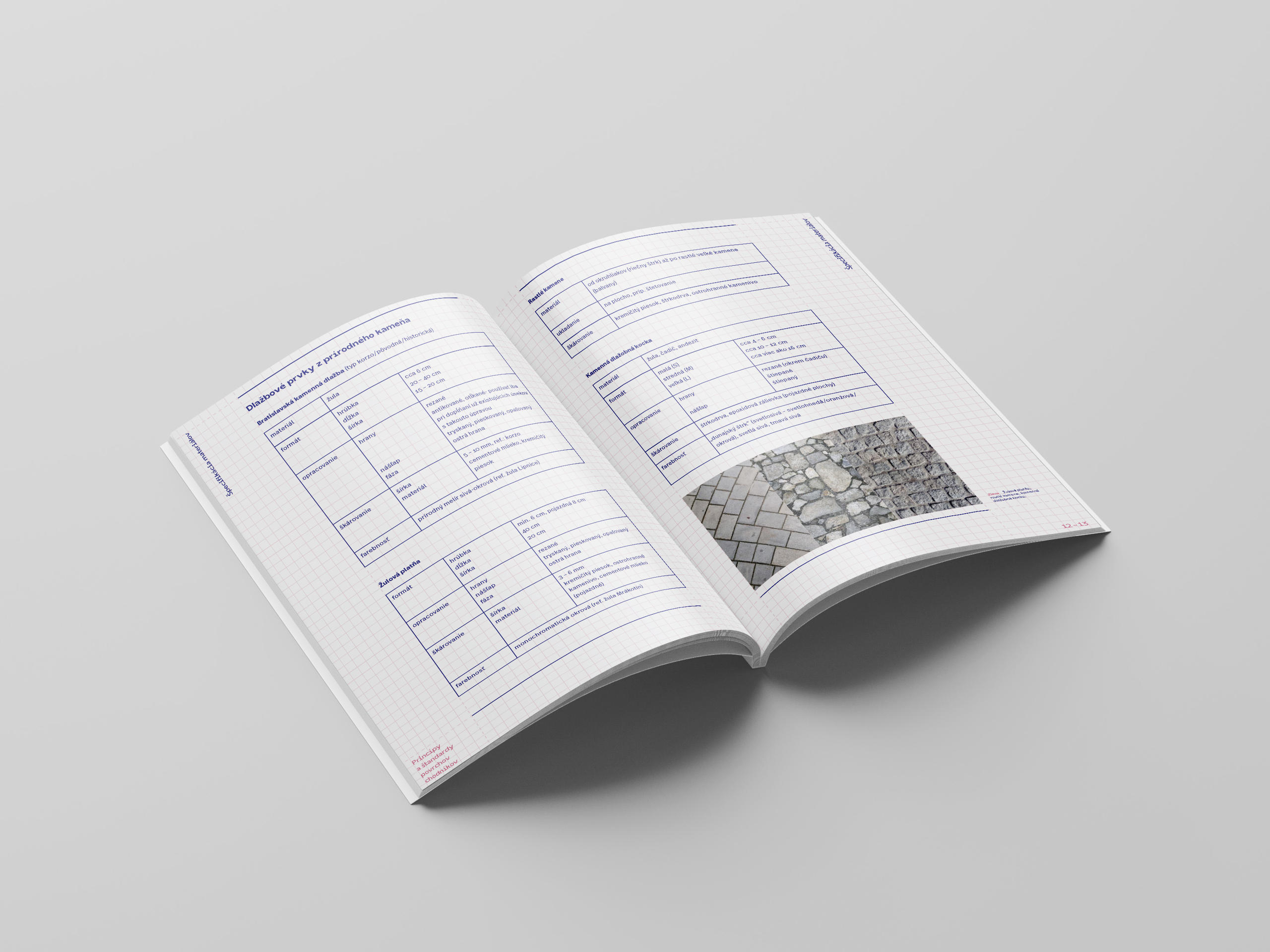
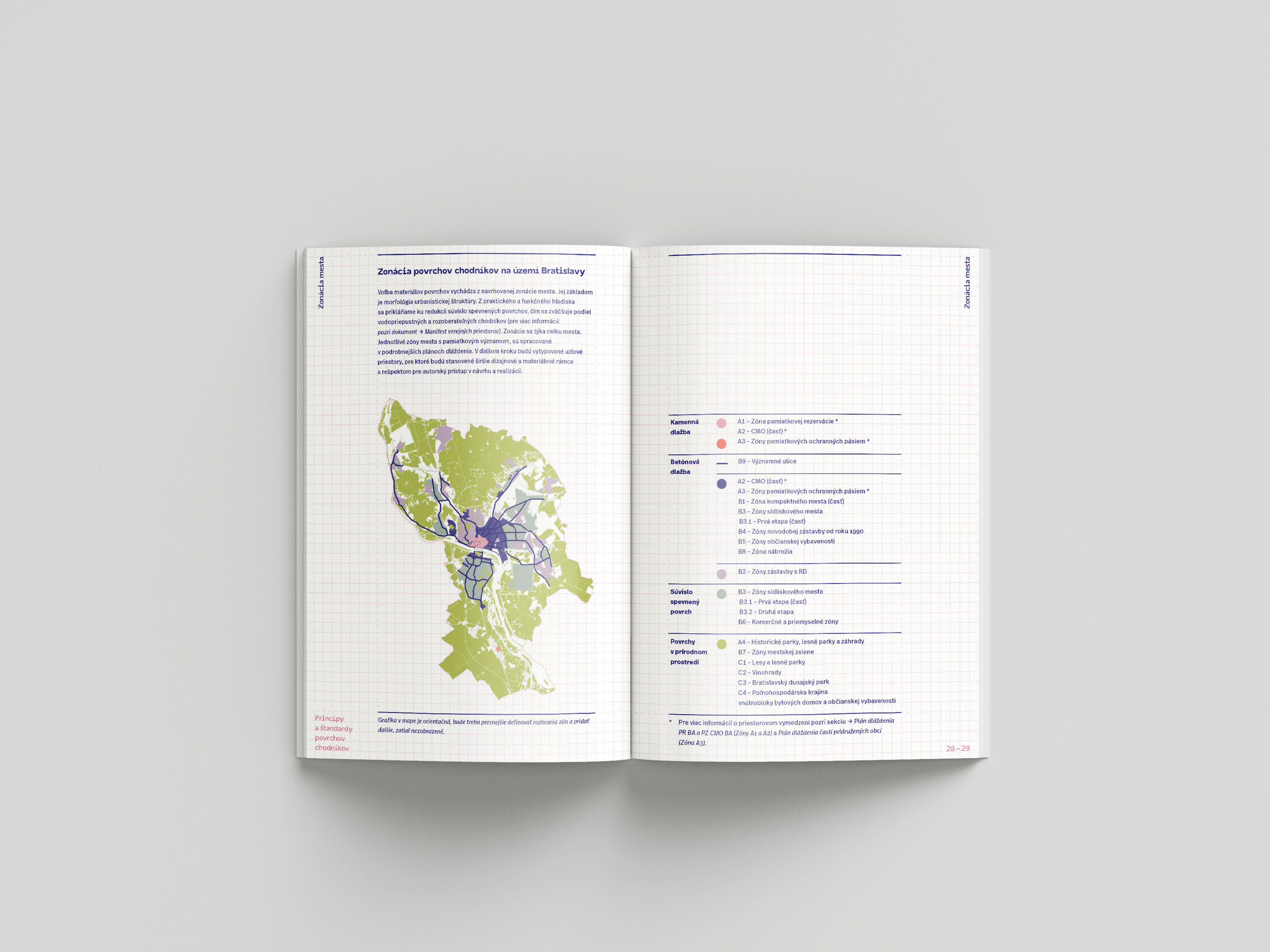
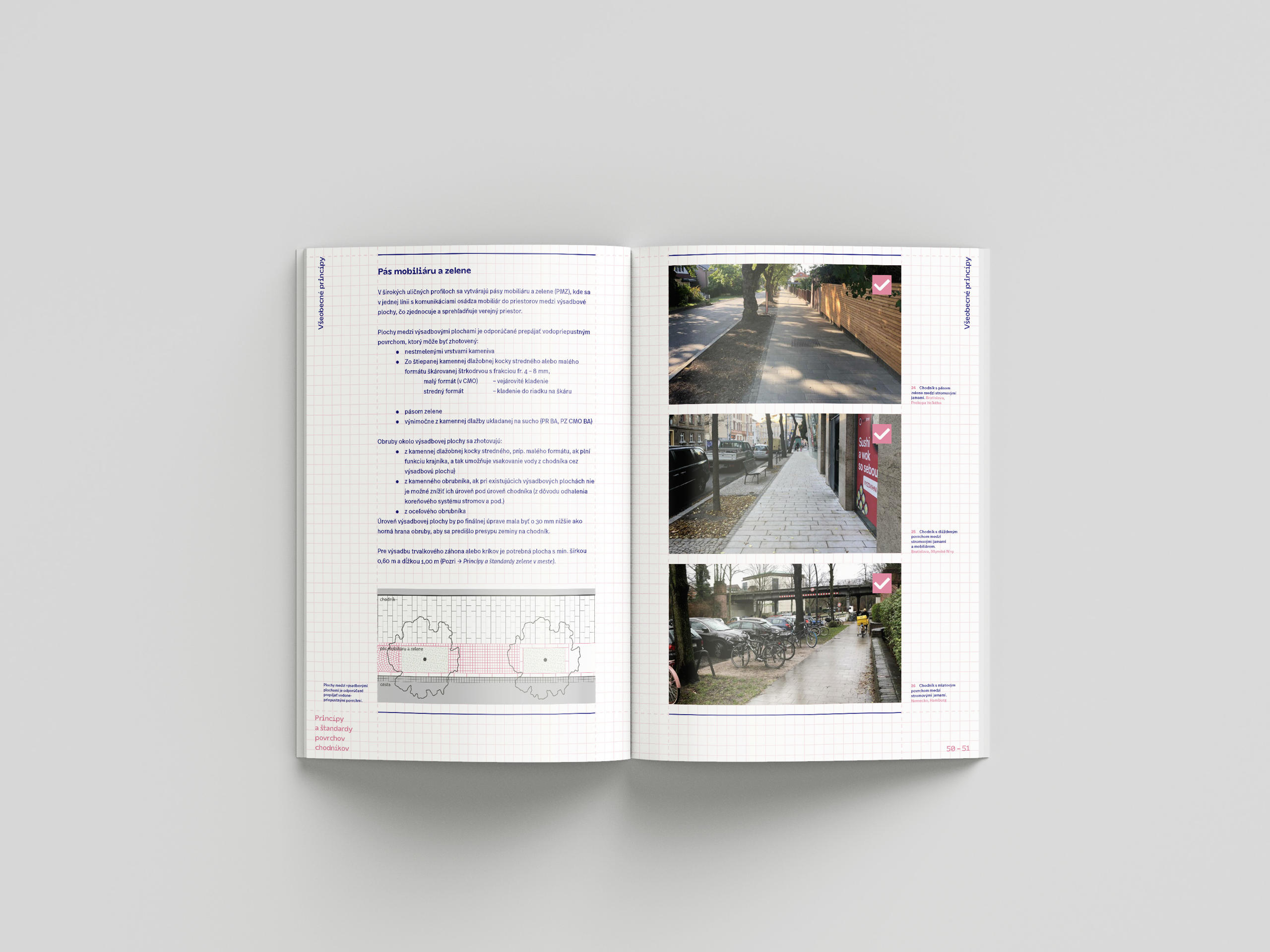
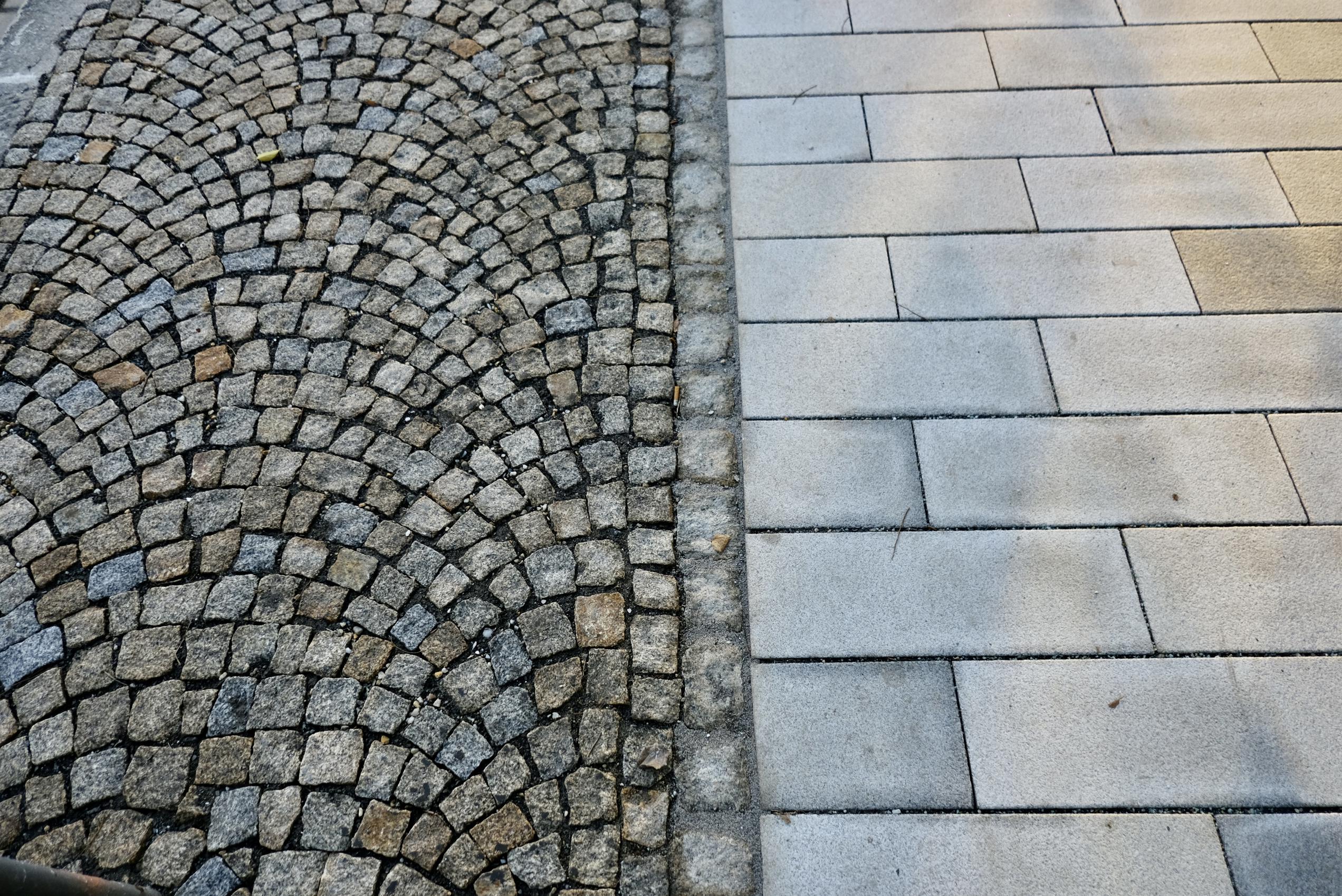
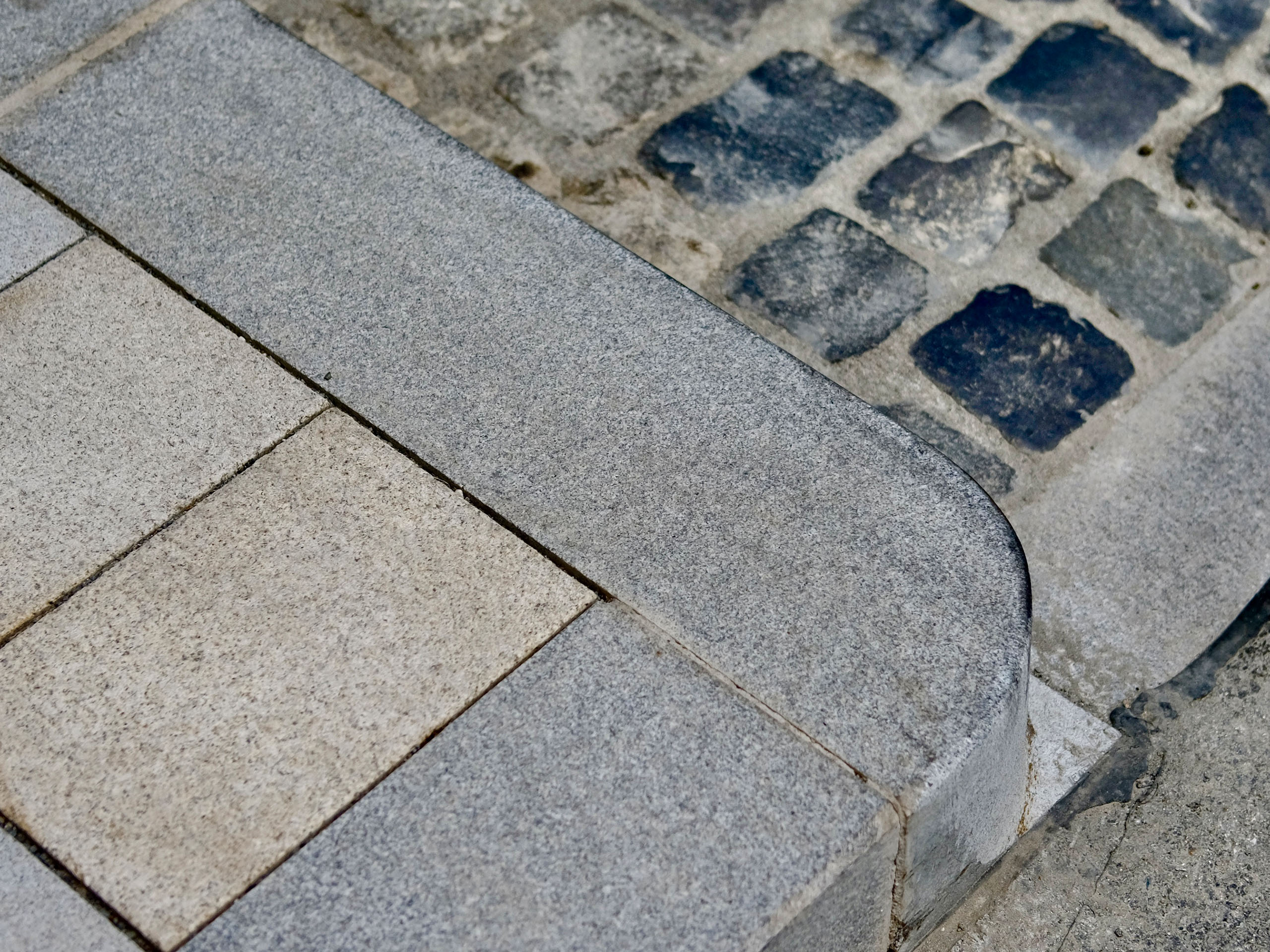
The surface of public spaces is the horizontal façade of the city. In the current situation, however, it lacks a coherent concept, resulting in the use of many different materials that create a fragmented whole and contribute to visual clutter and a poor overall impression of public spaces. The poor technical condition of many sidewalk surfaces also affects user comfort and safety in pedestrian movement throughout the city. The aim of this manual is to propose standards for sidewalk surfaces. This primarily involves a zoning plan that assigns specific types of sidewalk coverings to each zone. Connected to this is the definition of standards for different surface types, whether stone or concrete paving, solid bound surfaces, or unbound surfaces.
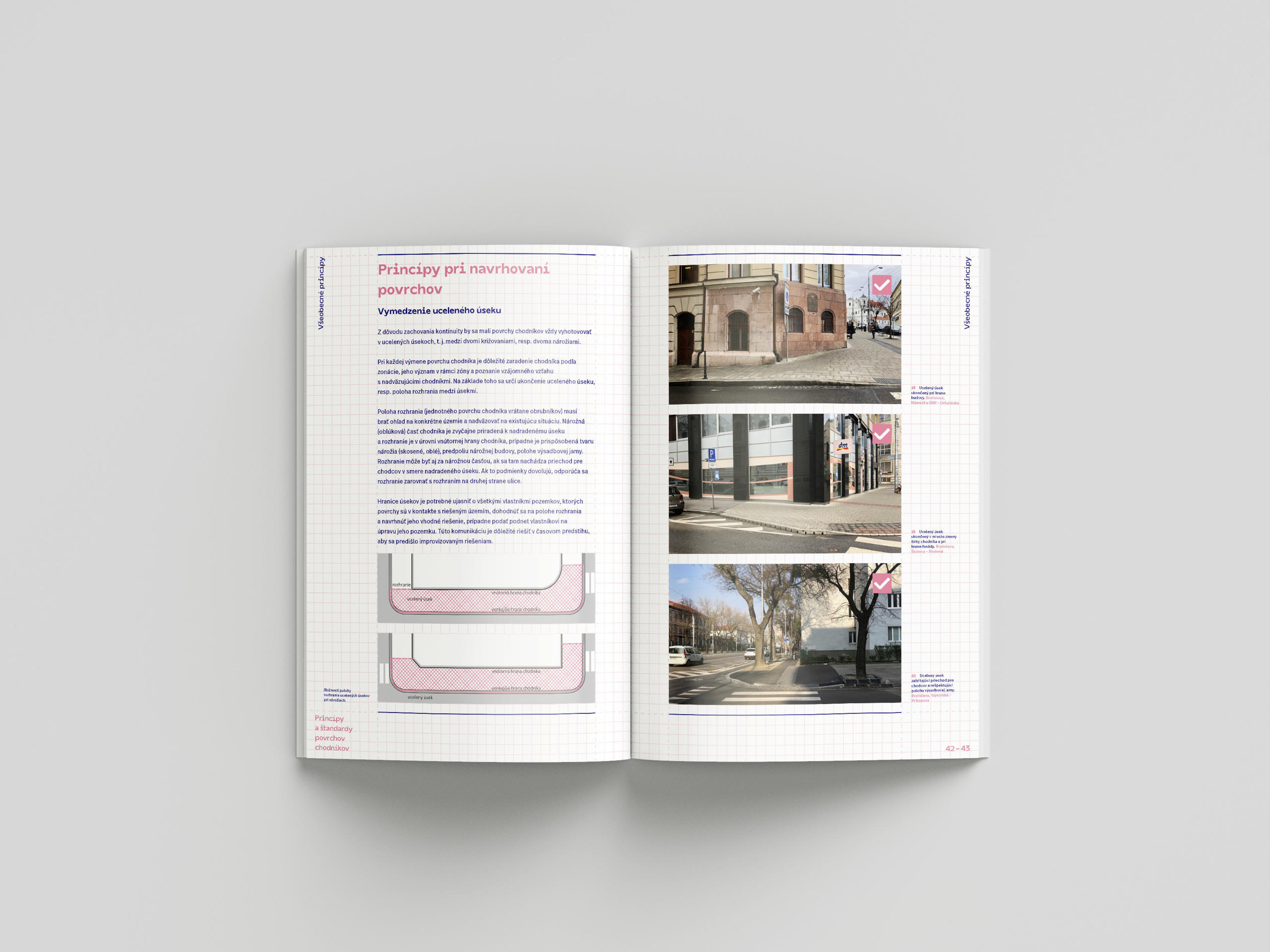
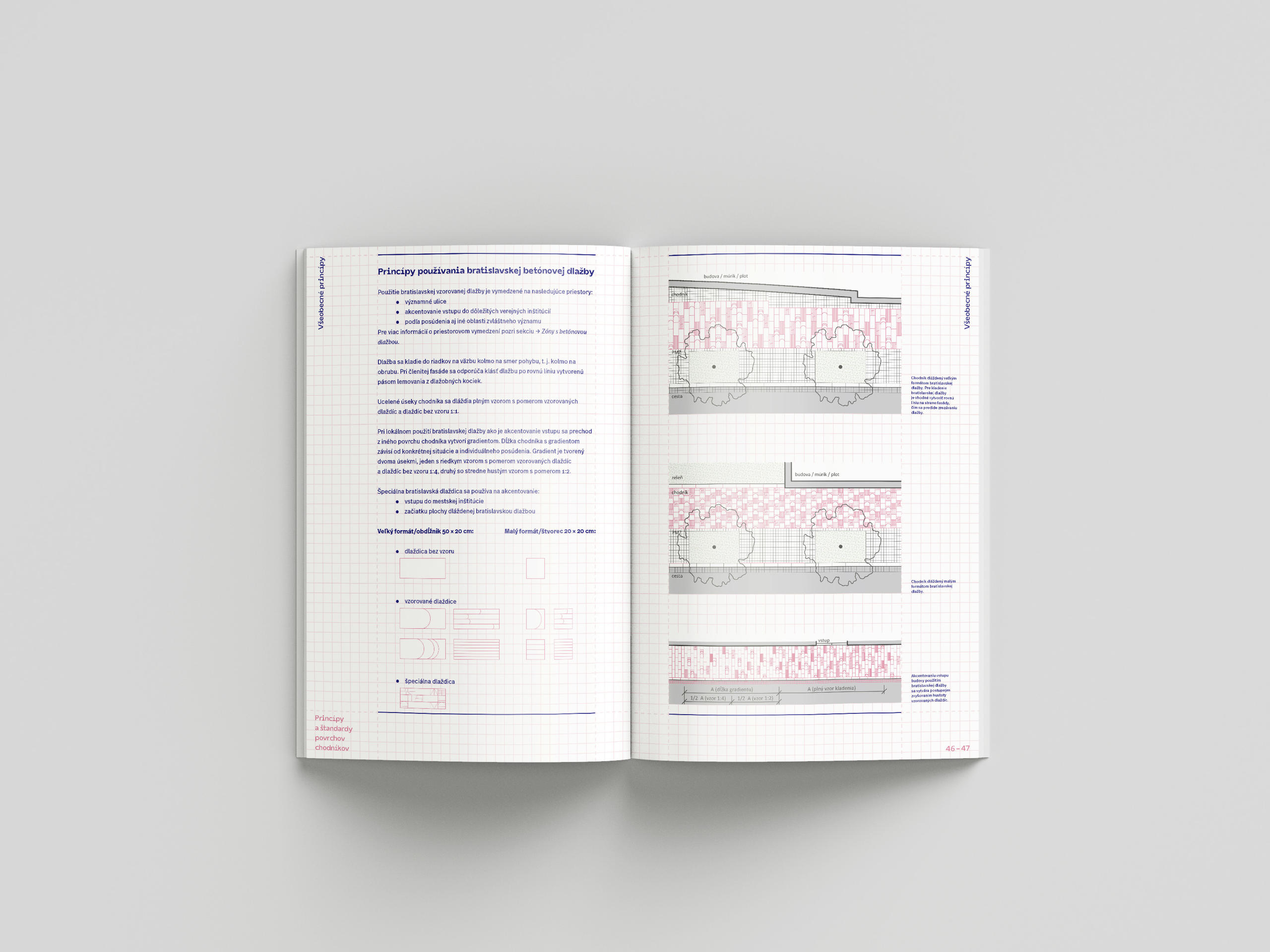
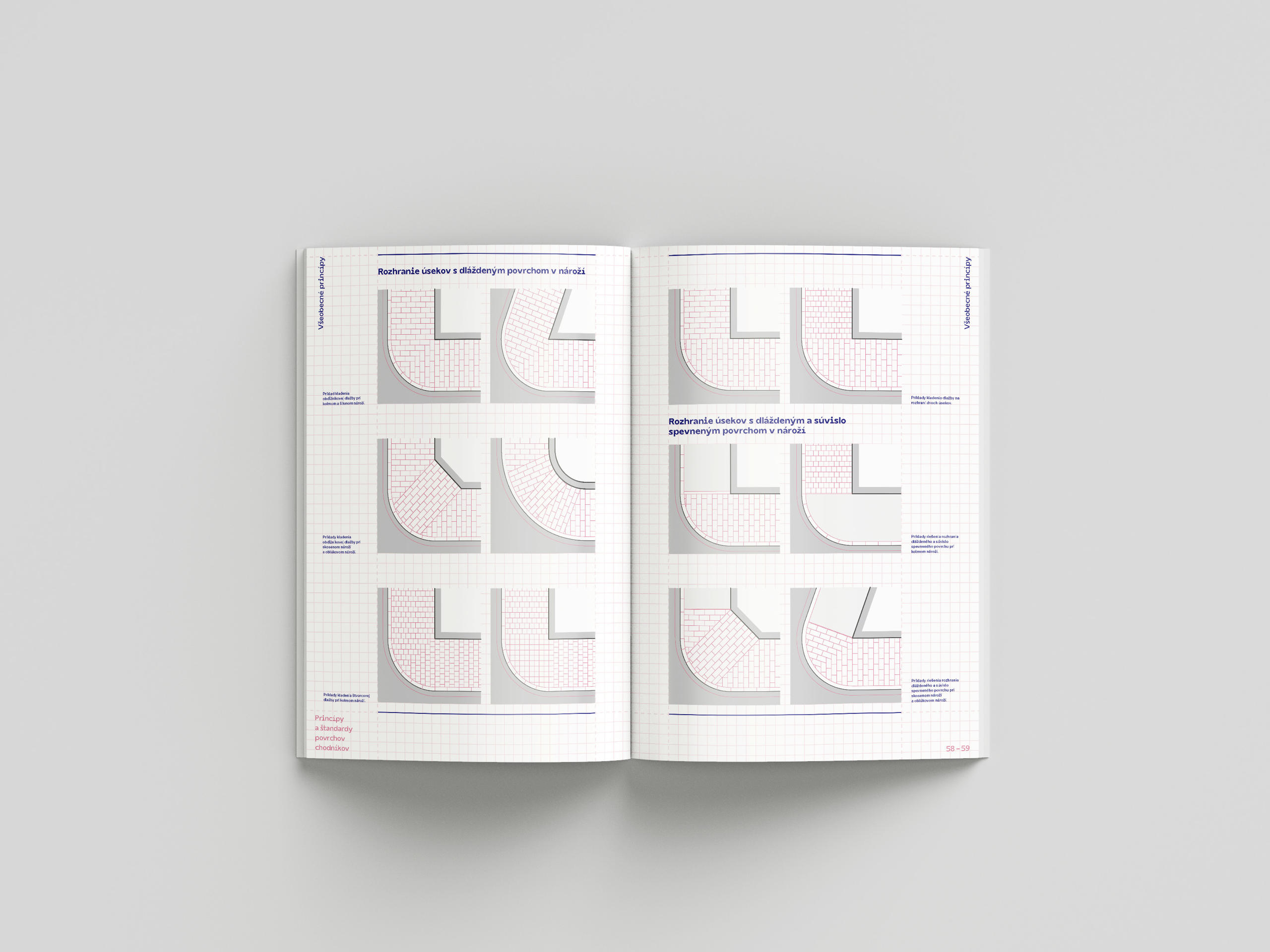
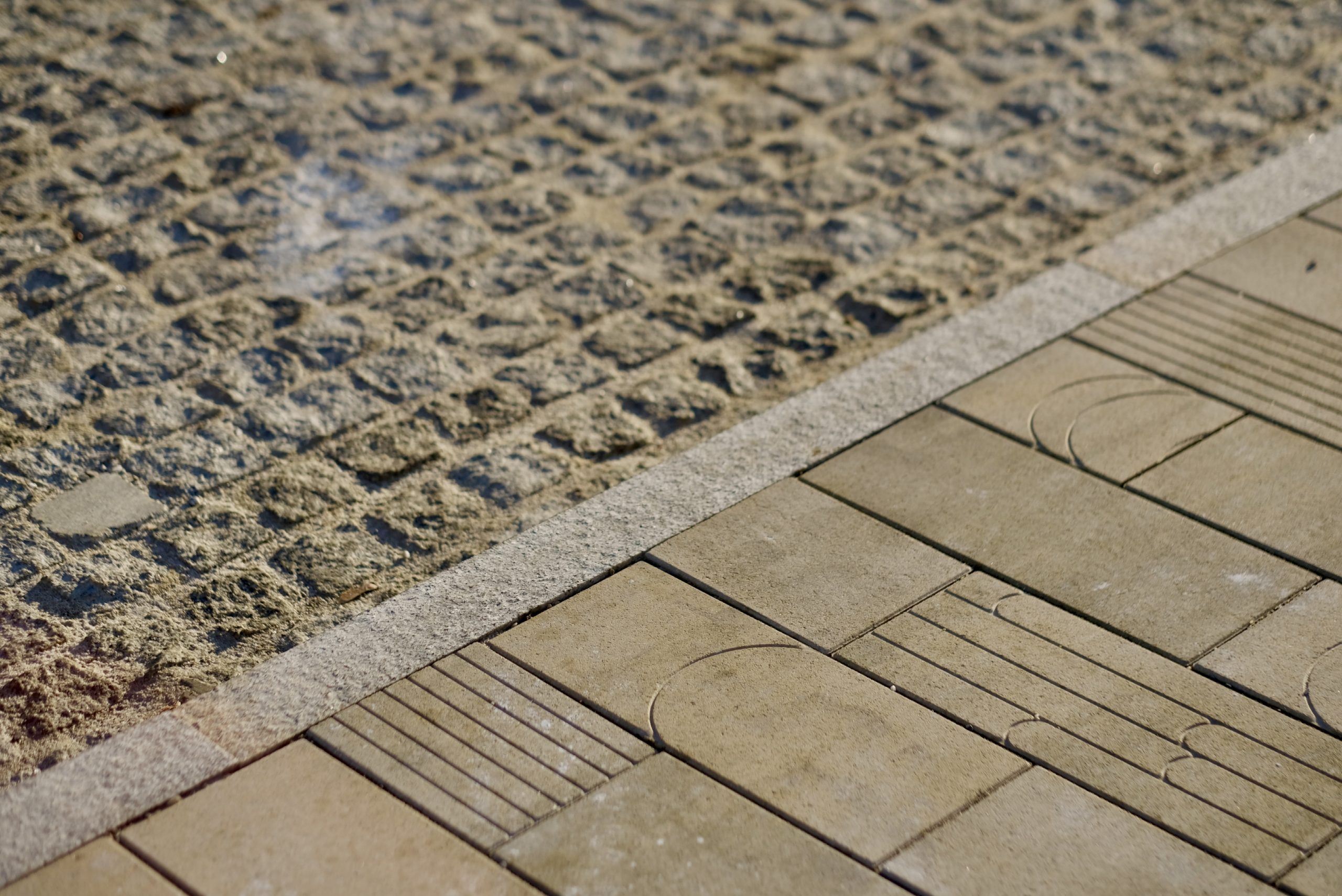
Another important goal is the creation of principles for the design and implementation of individual types of sidewalk surfaces. These are presented in model situations that propose conceptual solutions for typical cases recurring throughout the city. A key unifying and practical element of Bratislava’s sidewalks is the newly designed typical city paving. Following the example of other cities worldwide, we propose to give the paved spaces of the city a unified visual identity. The ambition is to create one layer of the city’s identity while also providing a practical, ecological, and aesthetic solution for sidewalk paving. The Principles and Standards for Sidewalk Surfaces are intended to serve the city administration and the city districts of Bratislava, as well as private stakeholders, as a unified guide when replacing sidewalk surfaces.
An integral part of the principles and standards was a comprehensive methodology of research, testing, and piloting of products in public space. Testing was carried out in the form of sampling and controlled-condition trials, which made it possible to closely monitor the effectiveness and functionality of the proposed solutions. Piloting, on the other hand, involved applying the acquired knowledge to specific revitalization projects, particularly in Bratislava’s urban streets, where improvements to public spaces were implemented with the aim of enhancing their quality and accessibility for residents (see Projects →).